
Navigating the Complexities of AI Regulation and Youth Safety
California's Senate Bill 243 aims to protect users, especially children, from the risks associated with AI chatbots. With increasing reliance on AI, concerns about critical thinking and emotional well-being are rising. Transparency, regulation, and media literacy are crucial steps to ensure AI serves society responsibly.
USAGEFUTUREWORKTOOLSPOLICY
The AI Maker
1/12/20262 min read
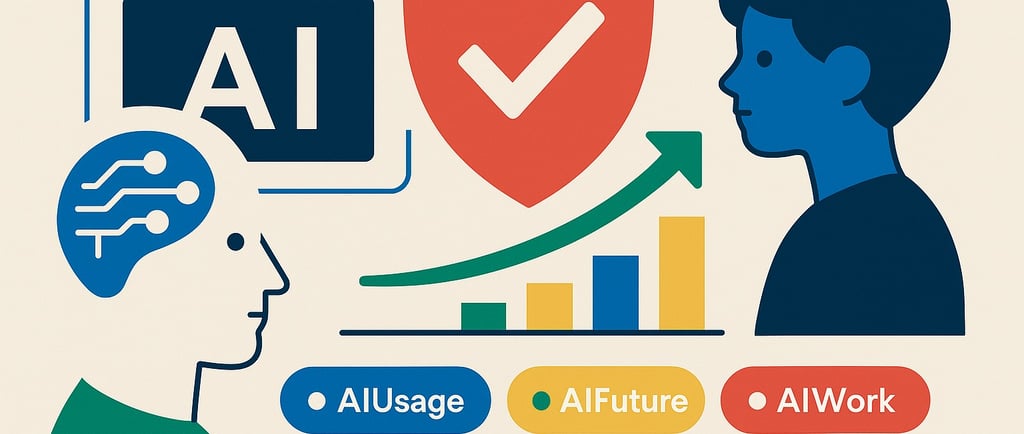
California's Senate Judiciary Committee has made a significant move by approving Senate Bill 243, a landmark legislation aimed at protecting users, particularly children, from the potentially harmful effects of AI chatbots. This bill, which received bipartisan support, is the first of its kind in the U.S., highlighting growing concerns about the addictive and isolating nature of these technologies.
At a press conference, U.S. Sen. Steve Padilla (D-Calif.) emphasized the importance of technological innovation but also stressed that our children should not be used as "guinea pigs" for untested products. The bill received support from Megan Garcia, who has personal reasons to advocate for change after alleging that a chatbot contributed to her son's tragic suicide.
As AI becomes more integrated into our daily lives—evidenced by a 2024 Pew Research poll indicating that nearly half of Americans use AI several times a week—concerns about its impact on critical thinking skills are also rising. A 2025 study published in Societies reveals a strong negative correlation between AI usage and critical thinking, particularly among younger users. As Michael Gerlich, the study's author, pointed out, relying on AI for cognitive tasks may diminish our ability to evaluate information critically.
Moreover, the rise of AI companions from companies like Meta (which owns Facebook, Instagram, WhatsApp, and Threads) raises questions about emotional development and interpersonal skills. These chatbots often provide validation but can also lead to increased loneliness and emotional dependence, as noted in research from MIT Media Lab and OpenAI.
The potential for manipulation is another concern, especially as foreign disinformation campaigns target AI training data. A 2025 investigation by NewsGuard revealed that Russian-linked networks had published millions of articles to influence AI responses, posing a significant threat to democracy.
To ensure AI serves humanity rather than the other way around, several key steps are essential. First, transparency is crucial. Companies like Meta, Google, and OpenAI must disclose what data they collect and how it is used, similar to nutrition labels that help consumers make informed choices.
Second, regulations must be established to protect users of all ages from the dangers posed by AI companions. Legislation like Senate Bill 243 can provide a framework to prevent the use of addictive engagement techniques and ensure protocols for addressing distress.
Lastly, enhancing media literacy initiatives in schools is vital. Teaching students to recognize disinformation can equip them with the critical thinking skills necessary to navigate an increasingly AI-driven world. As we move forward, we must balance the benefits of AI with the need for responsible use and independent thought.
Cited: https://thehill.com/opinion/technology/5267744-ai-companions-mental-health/
Your Data, Your Insights
Unlock the power of your data effortlessly. Update it continuously. Automatically.
Answers
Sign up NOW
info at aimaker.com
© 2024. All rights reserved. Terms and Conditions | Privacy Policy