
Signs Your Boss Might Be an Algorithm
Algorithmic management is changing the way organizations operate, often at the expense of human connection. Key signs of algorithmic influence include automated task
WORKFUTUREUSAGETOOLS
The AI Maker
11/10/20252 min read
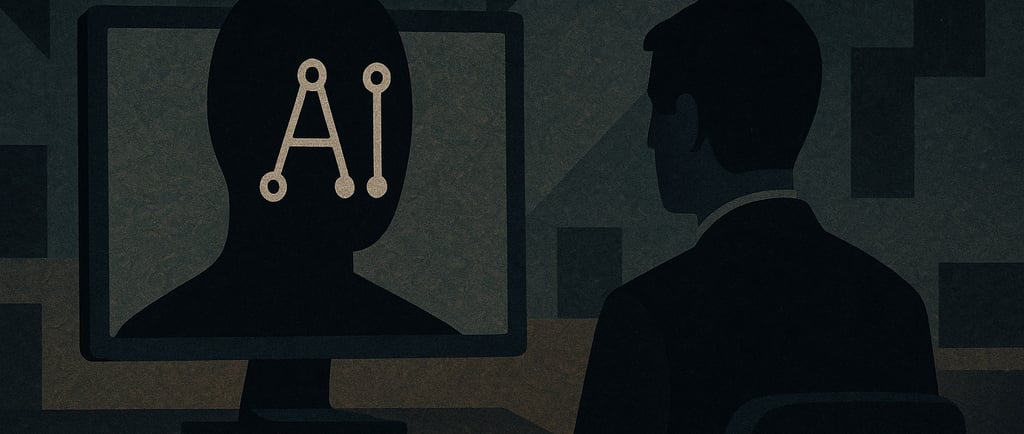
In the evolving landscape of work, the concept of algorithmic management is becoming increasingly prevalent. Imagine starting your day with an AI-powered system that outlines your tasks based on deadlines and your past performance. While this might sound efficient, it raises questions about the role of human managers and the implications for employee experience.
Algorithmic management uses digital algorithms, often powered by AI, to perform traditional managerial tasks like assigning tasks, monitoring performance, and providing feedback. This shift represents a significant change in organizational dynamics, reminiscent of the scientific management era a century ago. But how can you tell if your workplace is leaning more towards algorithms than human oversight?
Here are five signs that suggest your boss might be an algorithm:
- Automated task assignments: Work is assigned through systems prioritizing efficiency over your preferences or development needs.
- Continuous digital monitoring: Your activities are tracked in detail, often with limited transparency about which metrics matter.
- Standardized feedback loops: Evaluations are generated automatically, focusing on numbers rather than context.
- Reduced managerial discretion: Requests for exceptions are often met with, "the system doesn’t allow for that."
- Opaque decision rationales: You notice patterns in decisions affecting your work, but the reasoning behind them is rarely explained.
While these signs may feel dystopian, they reflect a broader trend towards algorithmic management, which can dehumanize the workplace in several ways. For one, algorithms can lack the human context necessary for accurate evaluations, leading to potential misjudgments. Additionally, as humans defer more decisions to algorithms, they risk losing their judgment capabilities—an erosion of skills that can have long-term consequences.
Moreover, algorithmic management often undermines fundamental human needs at work, such as autonomy and relatedness. When work is dictated by algorithms, employees may feel like mere cogs in a machine rather than valued contributors. This can lead to lower trust, motivation, and ultimately, higher turnover rates.
So, what’s the solution? It’s not about rejecting algorithms outright; rather, it’s about finding a balance that keeps the workplace human-centric. Consider using algorithms as tools for smart coordination instead of surveillance. Encourage collaboration where humans and algorithms work in tandem, and allow teams to shape how algorithms integrate into their workflows.
By thoughtfully designing workplaces where algorithms enhance rather than replace human work, organizations can retain the essential qualities that make work meaningful. After all, the goal of any organization should be to serve its people, not the other way around.
Cited: https://builtin.com/articles/algorithm-boss?i=0d48c78f-97d7-4332-b19f-5001574588ec
Your Data, Your Insights
Unlock the power of your data effortlessly. Update it continuously. Automatically.
Answers
Sign up NOW
info at aimaker.com
© 2024. All rights reserved. Terms and Conditions | Privacy Policy