
The AI Job Apocalypse: Preparing for the Future
Dario Amodei, CEO of Anthropic, warns that AI could eliminate many entry-level white-collar jobs, leading to significant unemployment. He urges both AI companies and governments to prepare for these changes. Proactive measures, including public awareness and policy discussions, are essential to mitigate the impact of AI on the workforce.
WORKPOLICYUSAGETOOLSFUTURE
The AI Maker
4/16/20262 min read

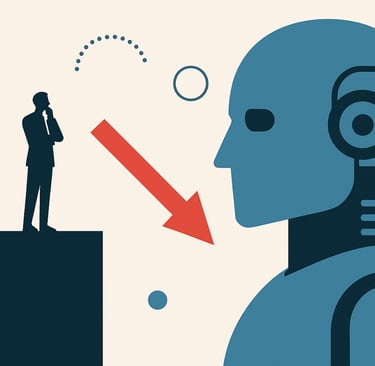
Dario Amodei, CEO of Anthropic (https://www.anthropic.com) , has issued a stark warning about the future of employment in the face of advancing artificial intelligence. In a recent interview, he predicted that AI could eliminate half of all entry-level white-collar jobs, which might lead to unemployment rates soaring to 10-20% within the next five years. This alarming forecast is not just a cautionary tale; it's a call to action for both AI developers and government officials to prepare for the impending changes.
Amodei emphasizes that the potential for mass job displacement across various sectors—technology, finance, law, and consulting—is real and needs to be addressed. "Most of them are unaware that this is about to happen," he noted, referring to the general public's lack of awareness about the looming job apocalypse. With AI's capabilities expanding rapidly, many workers may only grasp the risks once it's too late.
Interestingly, this conversation is gaining traction in political circles, albeit slowly. While President Trump has remained notably silent on the job risks associated with AI, Steve Bannon has pointed out that this issue will likely become a significant topic in the 2028 presidential campaign. As companies begin to realize the cost-effectiveness of replacing human labor with AI, the job market may change dramatically, catching many off guard.
Amodei's concerns are echoed by other industry leaders who fear that, while AI has the potential to revolutionize industries for the better, it could also lead to a short-term crisis. He urges AI companies to be upfront about the implications of their technologies, stating, "We, as the producers of this technology, have a duty and an obligation to be honest about what is coming." This honesty is crucial as businesses increasingly turn to AI to handle jobs traditionally performed by entry-level workers.
In light of these developments, Amodei suggests several proactive measures to mitigate the impact of AI on employment. He advocates for heightened public awareness regarding the workforce changes ahead and calls for better education for both CEOs and employees on how AI can augment their roles. Furthermore, he proposes that policymakers begin to discuss potential solutions, such as job retraining programs and a possible "token tax" on AI-generated revenue to help redistribute wealth.
Ultimately, Amodei believes that while the AI train is already in motion, it is still possible to steer it in a direction that minimizes negative outcomes. "You can't just step in front of the train and stop it," he says, emphasizing the need for timely action to ensure a balanced future where AI enhances rather than diminishes economic opportunity.
Cited: https://www.axios.com/2025/05/28/ai-jobs-white-collar-unemployment-anthropic
Your Data, Your Insights
Unlock the power of your data effortlessly. Update it continuously. Automatically.
Answers
Sign up NOW
info at aimaker.com
© 2024. All rights reserved. Terms and Conditions | Privacy Policy