
The Changing Landscape of Coding in an AI World
The advent of AI in coding is transforming productivity while raising concerns about job quality and worker satisfaction. Companies like Amazon and Google are pushing for faster outputs with AI tools, but this may lead to routine work for many engineers. As the landscape changes, the balance between efficiency and fulfillment in software development becomes increasingly important.
WORKUSAGEFUTURETOOLS
The AI Maker
5/11/20262 min read
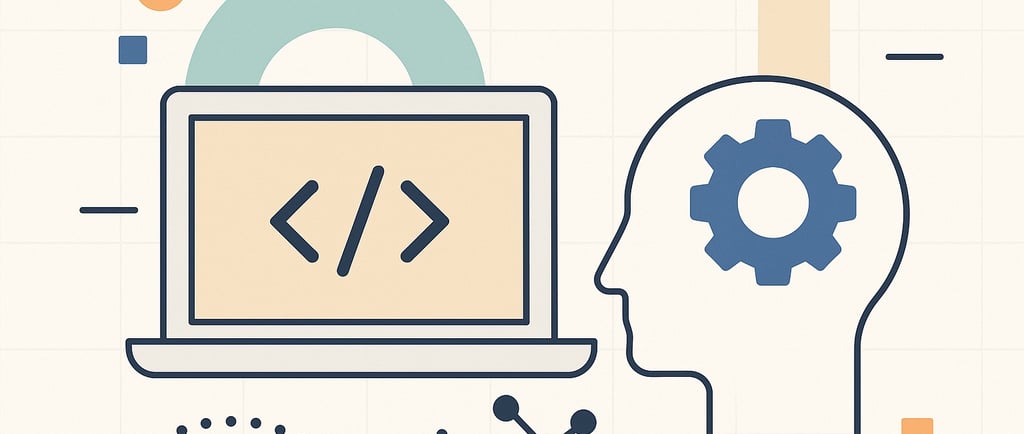
Since the dawn of the industrial revolution, the fear of machines replacing human jobs has lingered in various forms. Today, as artificial intelligence (AI) takes center stage in industries, especially in coding, the reality is not so much about job loss but about the transformation of how work gets done. Much like assembly lines in the past, AI is reshaping coding practices, leading to faster outputs but also raising questions about the quality and depth of work.
Recent studies, including one by researchers at Microsoft, indicate that tools like GitHub Copilot can boost programmer productivity by over 25%. Companies like Amazon (https://www.amazon.com) are embracing generative AI to enhance productivity, pushing engineers to adapt quickly to new norms. In a recent letter, Amazon CEO Andy Jassy highlighted AI's role in achieving productivity gains, emphasizing that speed is vital in meeting customer demands.
However, this shift comes with its own set of challenges. As engineers at Amazon reported, the pressure to utilize AI tools has led to increased output goals and tighter deadlines. While AI can automate tedious tasks, it also risks turning complex coding projects into more routine, less thoughtful work, echoing historical shifts in labor practices.
Other tech companies are following suit. Shopify (https://www.shopify.com) has made AI usage a baseline expectation for employees, integrating it into performance reviews. Similarly, Google (https://www.google.com) plans hackathons to encourage the development of AI tools that enhance productivity, with substantial rewards for winning teams.
While these developments may allow some programmers to engage in more interesting tasks, concerns linger about the future of less experienced engineers. Experts warn that the reliance on AI could limit the essential skills needed for career progression, especially if they are not engaging deeply with their code.
As coding becomes increasingly automated, many engineers feel like bystanders in their own work. Tasks that once required reflection and creativity are now monitored and expedited, leading to a sense of loss in job satisfaction. This shift mirrors the automation seen in blue-collar roles, where efficiency often comes at the cost of job fulfillment.
Amid these changes, some engineers have joined groups like Amazon Employees for Climate Justice, voicing concerns not only about job quality but also about the broader implications of AI in the workplace. As they navigate the evolving landscape, the balance between productivity and job satisfaction remains a crucial discussion point.
Cited: https://www.nytimes.com/2025/05/25/business/amazon-ai-coders.html
Your Data, Your Insights
Unlock the power of your data effortlessly. Update it continuously. Automatically.
Answers
Sign up NOW
info at aimaker.com
© 2024. All rights reserved. Terms and Conditions | Privacy Policy